Grief & Loss
A Letter from Heaven — A Gentle Exercise for Grief
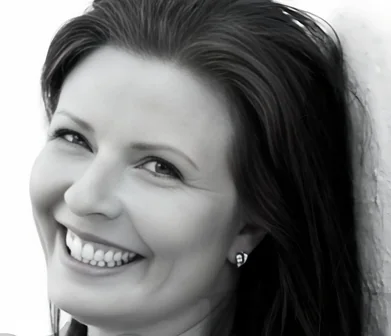
Professional medium and teacher, 30+ years ·
Around 2001, in a class much like the ones she now teaches, Mia was handed paper and a pen and asked to write a letter — not to someone she'd lost, but from them. The letter that came was from her grandmother. It was six sentences long. "I cried my eyes out," she says, "because it was her words." She has been giving the exercise to her own students ever since, and it lands the same way, year after year: short letters, real voices, good tears.
If you're carrying a loss — recent or thirty years old — this is for you. You don't need to be a medium. You need twenty minutes and a pen.
What is a letter from heaven?
Most grief writing asks you to say the unsaid: the letter to the person who died. Mia's exercise turns the page around. You write the letter they would send you — in their voice, through your hand. Not focused on proof or evidence, just on what they would actually say. When she demonstrates it, she imagines the letter she'd send her own husband: I am around you. I'm always around you. I will always hear your thoughts.
The point isn't accuracy. As she tells her students: this is not about being correct — it's about expressing the emotion from the spirit world. She once sat with a medium whose evidence she couldn't make sense of at all, "but I cried through the whole sitting anyway, because I felt them so close." There is a side of connection that has nothing to do with facts, and the letter goes straight to it.
How do you do the exercise?
In Mia's circle it's done in pairs — you write for your partner, and then read the letters to each other. Alone at home, you simply write for yourself. Either way, the steps are hers:
1. Choose who the letter is from. Someone close, someone you miss — or even, as Mia notes, someone you had a hard history with and need forgiveness from. Both kinds of letters arrive.
2. Start before you feel ready. This is her firmest instruction: don't sit and wait for inspiration, "you will be sitting there forever." Begin the way they would have begun — Dear Dad. My lovely daughter. Hello, trouble. Whatever they'd actually write. Then keep the pen moving and let it flow without judging a single line.
3. After a while, add one sentence: "Do you remember when…" In class, Mia interrupts at the twenty-minute mark with exactly that prompt. Sometimes a real, shared memory walks straight in. If it doesn't, write one you love. She is explicit: don't be nervous about the memory. It's not a test.
4. Read it aloud. In class, to your partner; at home, to yourself, or to someone who loved them too. This is the step people want to skip and shouldn't. Hearing the words in the air is what turns ink back into a voice — and, as Mia says, it's usually very beautiful, because we're so unused to receiving beautiful words from anyone at all.
Isn't it just imagination?
Ask the question the other way: where do you think the words came from? Mia's standing answer — one of her most-quoted lines in the circle — is that the imagination is the only tool spirit has to use. So from the imagination comes reality. Writing "in their voice" gives the connection somewhere to land: a nickname you didn't plan, a turn of phrase that is so exactly them it makes you laugh out loud. And if all you get is your own love, written in their accent? You've still spent twenty minutes inside the relationship instead of inside the loss. There is no version of this exercise that fails.
Are they really still there?
On this, after thirty-plus years of sittings, Mia doesn't hedge:
If you are in bereavement and you lost someone from the other side, they will always be there.
Her experience is that the bond survives the body — that the ones we lost remain near, patient, and far more forgiving than we are with ourselves: there's an instant forgiveness from the other side, because they see the map so much clearer. A letter from heaven won't finish your grief; nothing finishes grief. But it can remind you the conversation isn't over. Some letters are six sentences. Sometimes that's enough.
Looking for a message from someone who has passed, or guidance on where you are? Compare Mia's sittings, personal sessions and the community.
Quick answers
What is the letter-from-heaven exercise?
A writing exercise Mia Ottosson uses in her circle: instead of writing a letter to a loved one in spirit, you write the letter they would send you — in their voice, through your hand. You start writing without waiting for inspiration, let it flow, and partway through begin a sentence with 'Do you remember when…'. It isn't about getting evidence right; it's about letting the love be expressed.
Can I do the letter exercise alone, without a medium?
Yes. Take paper and pen, decide who the letter is from, and begin the way they would have begun — a nickname, a 'dear…'. Write for about twenty minutes without judging what comes. Then start one sentence with 'Do you remember when…' and finish the letter. Read it aloud to yourself, or to someone you trust.
Isn't it just my imagination writing the letter?
Maybe partly — and that's allowed. Mia's teaching is that the imagination is the tool through which spirit works, not the opposite of it. The exercise isn't a test of proof. People are regularly surprised by phrases and memories arriving in the loved one's unmistakable tone — Mia's own first letter, from her grandmother, was six sentences long and undid her completely, 'because it was her words.'
Will the people we lost really still be there?
Mia's experience after thirty-plus years of sittings is unambiguous: if you are in bereavement and you lost someone, from the other side they will always be there. The bond doesn't end; it changes shape. The letter is one gentle way of feeling that for yourself.
Free · From Mia
Want to go deeper? Get Mia's free guide
The Complete Medium — Mia's free mediumship development guide, in six parts and 21 chapters. Read it, listen to it, keep it forever. No card, no catch.
Get the Free GuideKeep reading
If you'd like company on the way
Exercises like this one happen live inside Journey with Mia — a warm, unhurried circle of sensitive people, no performance, no pressure. You're welcome to try a full month free, no card.
Start Your Free Month